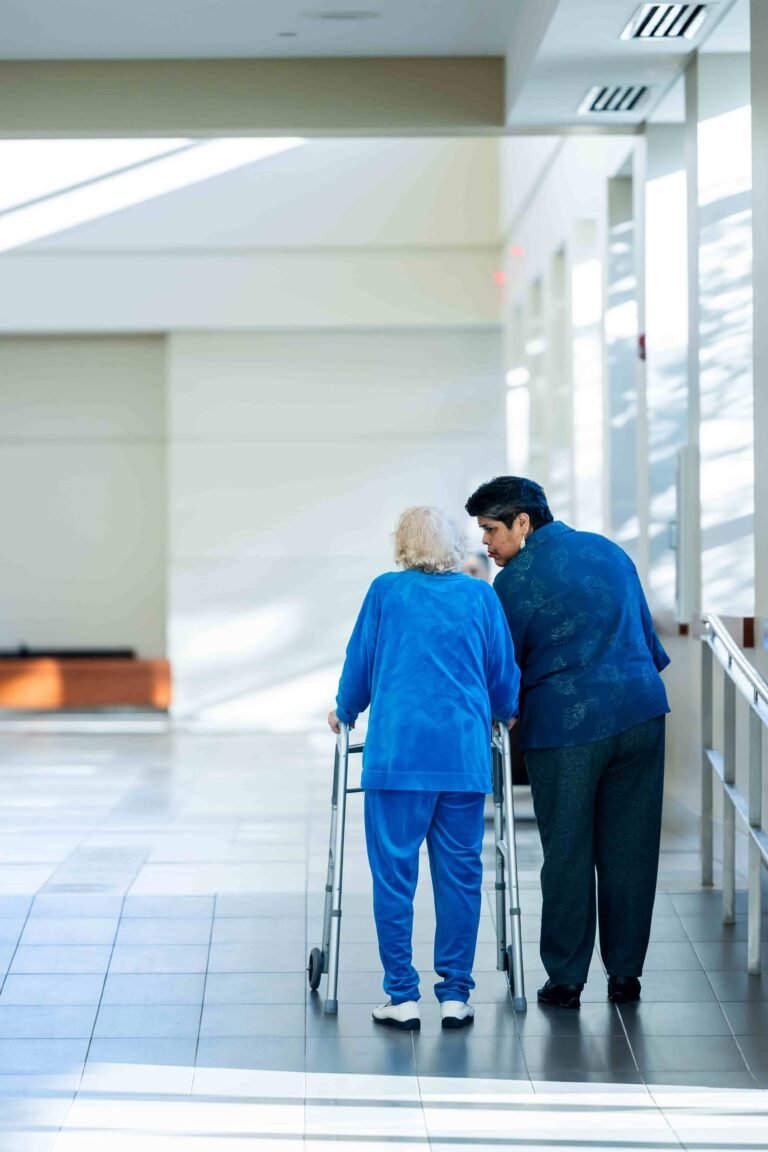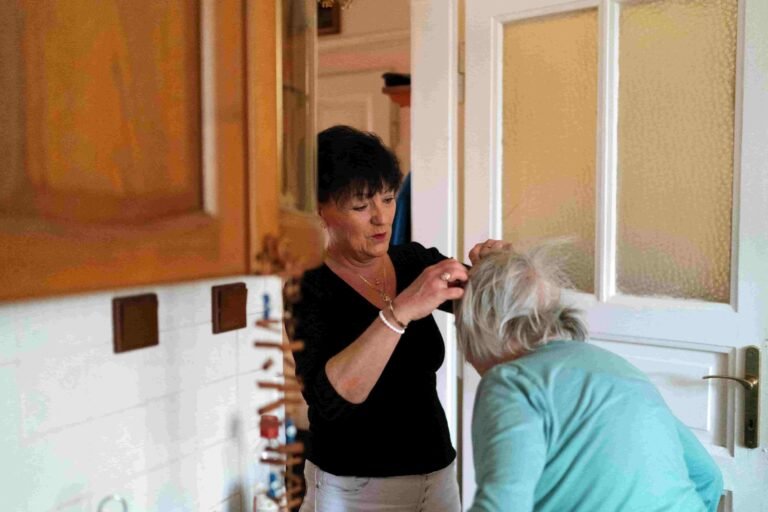
According to AARP, nearly half of all older adults are looking to make changes so their home is better equipped to accommodate future physical limitations. Home accessibility modifications keep your loved one safe and independent, and they preserve the choices they have when it comes to aging in place. These home safety tips for your aging loved one will help you better understand what the evaluation, facilitation, and implementation of this equipment can look like and why it’s important.
Start with a conversation
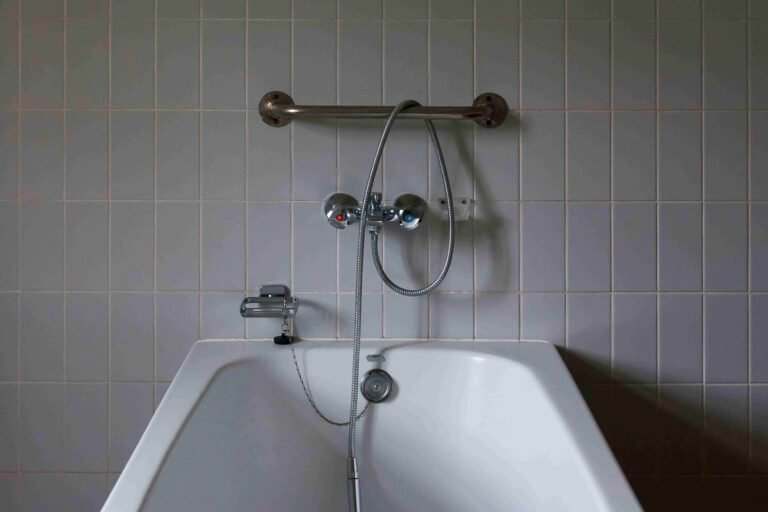
Before anything else, consult with your loved one about what you think potential hazards in the home may be. This can include deep bathtubs, slippery floors, exposed wires, loose rugs, and stairs. Approach the conversation as a collaborative assessment rather than a concrete decision. Remember, your loved one knows their home and their body better than anyone.
Understanding fall risk
The CDC estimates one in four people age 65+ fall each year, but less than half report it to their doctor. And when there’s one fall, the chances of falling again double. Falls are the most common cause of traumatic brain injuries, and they are the leading cause of injury in adults age 65+. Aside from injury, falls quickly remove options when it comes to continuing to live at home.
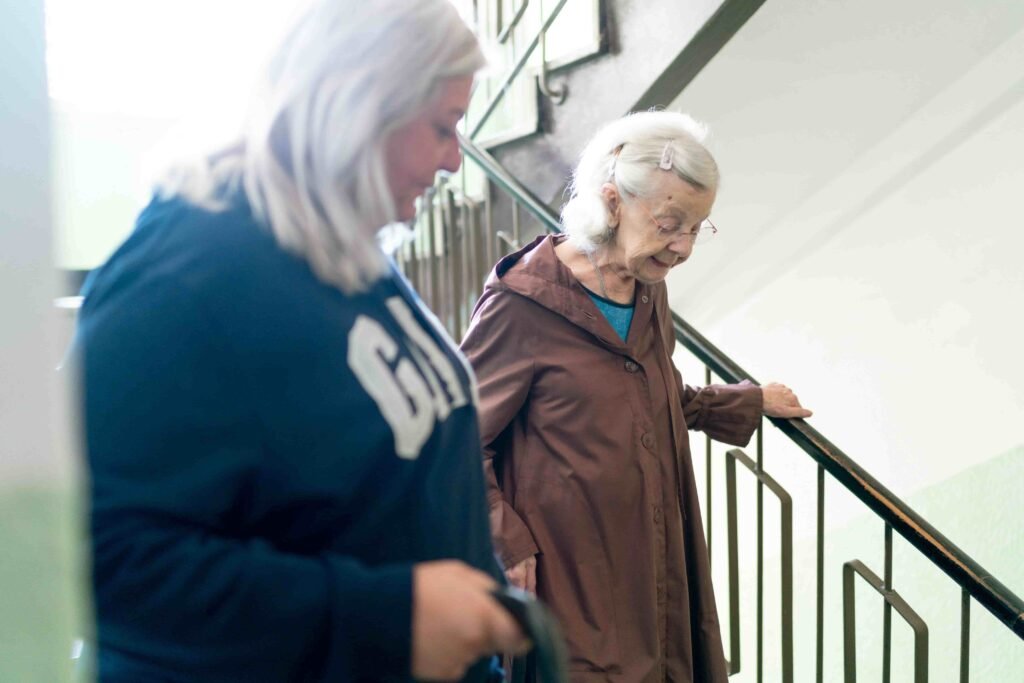
Common hazards include slippery floors, loose rugs, and poor lighting. Stairs can also become a safety risk, and the severity of stair-related fall injuries tends to be higher than same-level falls. Many in-home fall hazards can be addressed with a straightforward modification, like a grab bar or non-slip tile treatment.
What if my loved one doesn't want modifications?
Many older adults don’t feel like they need home accessibility modifications yet. They may have difficulty acknowledging that their circumstances have changed. But, like buying insurance, it’s better to be ten months too early than ten minutes too late.
The fastest way to lose choices is a serious fall. A fall narrows options when it comes to where your loved one can continue to live safely. But home safety modifications reduce the risk of being forced to leave home, and they work better when they are preventative rather than prescribed. They keep the choice to age in place on the table.
The cost to your community
The impact of falls extends beyond the walls of the home. Lift assist calls, or emergency fall calls that do not result in medical transport, impact first responders as well as your neighbors.
In a study that monitored fall and lift assist calls in a mid-size suburban community over the course of a decade, fall calls increased by 268%, yet the number of calls that required medical transport decreased significantly. Lift assist calls nearly doubled, costing the community an estimated $1.5 million.
Another study found that nearly half of all lift assist calls result in a second call within the next two weeks. Locally, the Scottsdale Fire Department reports that the average number of emergency calls for falls is 500 per month.
When fire departments respond to lift assist calls, they’re unable to respond to urgent emergencies in their area. This forces crews from other districts to step in, delaying response time and endangering community members. By implementing home accessibility modifications and reducing fall risk, individuals protect their neighbors by protecting themselves.
Prolong independence
For many older adults, the ability to live independently is closely related to their sense of identity, dignity, and control. Home accessibility modifications remove barriers that may cause them to leave home before they’re ready.
Instead of viewing home safety modifications as a concession, it helps to reframe them as supportive measures that allow your loved one to prolong their independence.
Practically, families who proactively address home safety hazards give themselves more time to plan and evaluate care options before circumstances require a higher level of intervention.
When implemented before a mishap, home accessibility modifications allow your loved one to age in place and receive supplemental care on their own terms. Rather than preparing for decline, these modifications directly protect the life your loved one has built.
If you're not sure where to start, help is available
Some agencies offer home safety assessments, and Bloom Concierge Home Care in Scottsdale has Certified Senior Home Safety Specialists® on staff to offer these assessments — free of charge. Our specialists apply a 240-point assessment to evaluate home safety hazards and recommend appropriate interventions. We also work to facilitate the implementation of these modifications.
This can be a useful first step for those who aren’t sure if home care is right for them yet, and it can supplement existing care plans as well. Schedule your complimentary home safety assessment today.
A note for Arizona families
We know that the cost of home safety modifications can be steep. The Bloom Concierge Home Care Foundation exists to address that directly. The foundation awards micro-grants to Valley families in need, promoting access to home safety equipment and modifications that allow individuals to age safely, comfortably, and independently at home.
Aging in place shouldn’t depend on financial circumstances. Learn more about the foundation and nomination process here.
FAQ
How do I talk to an aging parent who refuses help?
Resistance is common. Framing modifications as a tool that preserves independence (rather than a response to decline) tends to be received better. Involving your loved one in the process from the start helps decisions feel collaborative rather than imposed. Understanding the signs your loved one could benefit from additional support can also help you decide when and how to have that conversation.
What home accessibility modifications help aging parents stay independent?
The most impactful modifications for elderly individuals tend to address the areas of highest fall risk, which include bathrooms, stairs, and entryways. Grab bars near the toilet and in the shower, non-slip flooring treatment, improved lighting, and stair railings are common starting points.
A home safety assessment can help identify which modifications are most urgent based on your loved one’s specific home and mobility needs. Schedule your complimentary home safety assessment with a certified professional today.
What does a home safety assessment for seniors include?
A home safety assessment is a 240-point, room-by-room evaluation aimed at identifying fall risks and recommending modifications that improve safety and support aging in place.
What is the average cost of home care in Arizona in 2026?
Cost often depends on the level of care. According to InHomeCareofAZ.com, the average agency rate is about $38 per hour, with high-acuity care averaging $45 or more per hour.