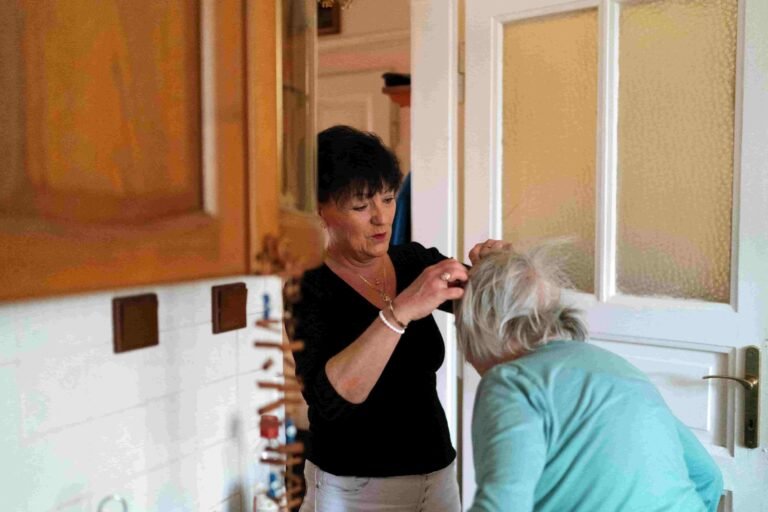

Somewhere between school lunches and work, there’s also a parent who needs you — and the feeling that you’re working three jobs yet are fully present for none.
Balancing work and caregiving requires an honest inventory of time spent caregiving, tasks that can be handed off, workplace accommodations, day-to-day caregiving certainties, and where some extra help could be beneficial.
This article won’t tell you to “practice self-care” or abide by the cliché lifestyle advice you’ve heard hundreds of times before. It addresses real logistics, internal maintenance, and external boundaries.
It’s crucial to remember that the overwhelm you feel while balancing work and caregiving isn’t a personal failure. Millions of Americans work full-time while caring for an aging parent, and those caring for kids and parents simultaneously, known as the “sandwich generation“, made this lifestyle the norm rather than the exception.
Each aspect of your life you’re obligated to assumes that you have spare hours, but almost no one does. Here, we provide some tips on how to work with the hours you do have.
Start with an honest inventory, not a heroic one
Most people balancing work and caregiving plan around their best week. Plan around your typical week instead.
For one week, make note of how long each task takes from start to finish. For example, it doesn’t take 15 minutes to run to the pharmacy: it’s 45 with parking and the line. The more specific (and generous) you can be, the better.
From this exercise, you’ll be able to see how much time you’re putting in, and you’ll see certain tasks take an amount of time disproportionate to how critical they are. Those time-consuming, less critical tasks are the first to consider handing off to someone else.
Sort the list: "You" tasks vs. "Anyone" tasks
Not everything on your list needs you. Some things genuinely do, like hard conversations and activities that are more about connection. Protect those, then look honestly at the rest: grocery runs, laundry, rides to the podiatrist, being present so Mom or Dad isn’t alone all afternoon.
These matter enormously, but they don’t need to be handled by you. A capable, consistent helper doing these tasks is what buys back your capacity to show up fully for the tasks that do need you.
Many working family caregivers feel like handing anything off means they care less. But, in practice, it’s actually the opposite. Families who delegate the logistics consistently report better-quality time with their loved one because it isn’t being spent completing the to-do list.
Use the workplace tools that already exist
Some people balancing work and caregiving never ask their employer for any accommodations because they’re unsure of what’s reasonable to ask, but here are a few options worth knowing:
FMLA: If you and your employer are covered, the Family and Medical Leave Act (FMLA) can protect intermittent, unpaid time off to care for a parents with a serious health condition. “Intermittent” can mean Thursday afternoons for a standing appointment, not just weeks away. HR can tell you whether you’re eligible, and it costs nothing to ask.
Flexibility before leave: Shifted start times, working from home on appointment-heavy days, or a compressed schedule often solves more than formal leave does. And managers usually approve small, specific tasks more readily than open-ended ones. “I need Wednesdays to start at ten” is an easy yes, but “I’m overwhelmed” is not a request.
Managers handle known constraints better than surprises. You don’t owe anyone your family’s details, but open communication allows for compromise. Saying something before you boil over helps everyone involved arrive find a solution before it feels like a crisis. Nobody can help you if they’re unaware that you need help.
Build calendars around certainties rather than emergencies
Reactive caregiving costs you the most time, stress, and workdays lost. A few structural moves can reduce chaos:
Batch appointments: Having one appointment-heavy day every other week beats five scattered throughout. Most Phoenix-area providers will work with you on standing time slots if you ask.
Putting everything in one place: A single shared calendar and note thread between siblings ends the, “Did anyone call about the prescription?” text chains. If siblings share the load unevenly, then assign lanes rather than blame.
Create a standing schedule for your parent, too: Predictable days are easier for everyone, including a parent who wants to know when to expect people. Routine is a form of respect, and it can even slow cognitive decline.
What can a few hours of professional help look like?
Professional help doesn’t have to mean a major commitment. Consider what two four-hour blocks per week can take off your hands: grocery runs, laundry, pharmacy trips, appointment transportation, lunch prepared and eaten with company instead of alone. Handing off these tasks allows your days with your loved one to be opportunities to enjoy each other rather than opportunities to knock out errands.
This is where respite lives. Respite care in Phoenix doesn’t have to be a formal program or a crisis response. For many working families, it’s simply a few reliable hours a week that let you exhale, work a full day without watching your phone, or take your own kid to practice without feeling guilty.
At Bloom, care plans are built with a level of flexibility that allows them to always fit the shape of your life. There are no minimum hours, so support can start with a couple of mornings per week and flex as your season changes. School year gets busier? Add a shift. Summer slows down? Scale back. The plan is built around what makes life easiest for you, not us.
Watch your own gauges
Pay attention to your own warning lights, like a short fuse, skipped meals, or Sunday dread. Caregiver burnout builds quietly, and catching it early is a caregiving skill, not a self-indulgence. We’ve written more about what caregiver burnout looks like and what actually helps.
Accepting help early keeps you feeling okay for the long haul, and the long haul is the whole point.
Even a few hours of help per week can change everything. If you’d like to talk through what an extra set of hands could take off your plate, we’re a conversation away. No pressure, no minimums.
FAQ
I know we'd benefit from some extra help, but my parent doesn't want a caregiver. What can I do?
Defensiveness from parents in these situations usually stems from feeling like they’re losing independence, but, in reality, having a caregiver prolongs their independence. Sustaining a serious injury is the fastest way to lose choices when it comes to where they live, and having a caregiver around adds an extra layer of protection, preserving the life your parent has worked hard to call their own. Having a caregiver also reduces the strain on your relationship with them improves cognition, too.
What if we start care, but decide later is isn't the right fit?
At Bloom, our goal is to find the solution that best matches your needs above all else. We have no minimums, allowing for scalable hours as needed. We get to know all of our caregivers, so we can match one your family with intention. If your loved one isn’t looking forward to seeing their caregiver, we’ll work with you to find a match until they are.
Does my parent need a caregiver?
Determining whether you think your parent could benefit from having a caregiver is difficult to grapple with, but trust your gut. Signs to look out for include declining personal hygiene, financial mismanagement, and falling.